
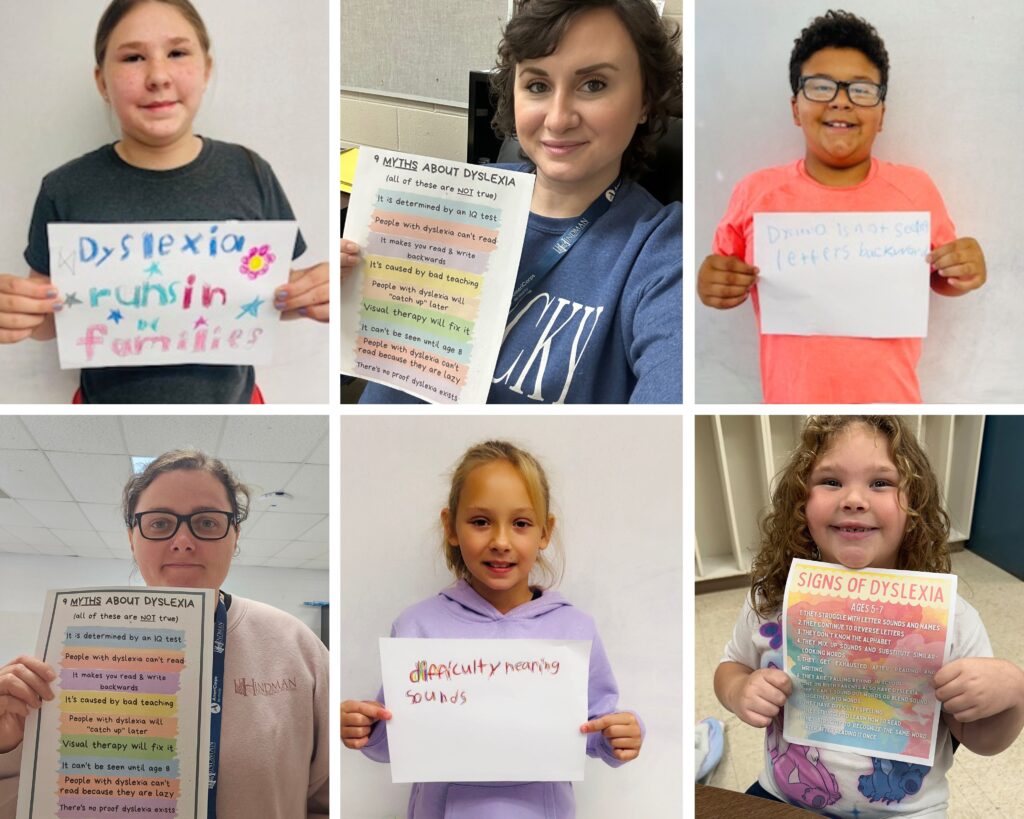
Every October, families, schools, and advocates come together to shine a light on dyslexia, one of the most common learning differences affecting children and adults. For parents, this month offers a chance to learn what dyslexia really is, what it isn’t, and how early understanding can make a world of difference.
What Dyslexia Is (and Isn’t)
Dyslexia is a language-based learning difference that affects reading, spelling, and word recognition. It stems from how the brain processes language—not from low intelligence or lack of effort.
Many people with dyslexia are bright and creative thinkers who simply need a different kind of reading instruction. With proper support, children with dyslexia can learn to read and write successfully.
It’s also more common than most people think: experts estimate that one in five people shows some signs of dyslexia or related reading challenges (International Dyslexia Association, 2024).
Common Myths About Dyslexia
Myth 1: Children with dyslexia see and write letters backward.
Truth: Dyslexia isn’t a vision issue. While letter reversals can happen, the core challenge is recognizing and manipulating the sounds in spoken language, which is called phonological processing (IDA, 2024).
Myth 2: Kids will grow out of dyslexia.
Truth: Dyslexia is lifelong, but with structured, evidence-based reading instruction, most children become strong readers and writers (IDA, 2024).
Myth 3: Dyslexia means a child isn’t trying hard enough.
Truth: Dyslexia has nothing to do with motivation. These students often work twice as hard as their peers. They just need instruction that fits how their brains learn best (University of Michigan Dyslexia Help, 2024).
Myth 4: You can’t test for dyslexia until third grade.
Truth: Signs of dyslexia can appear as early as preschool when students may begin having difficulty rhyming, naming letters, or remembering sounds. Screening and intervention in kindergarten or first grade can make a major difference (IDA, 2024).
How Parents Can Help
-
Trust your observations. If your child struggles to connect sounds to letters, avoids reading aloud, or guesses words, bring those concerns to their teacher or pediatrician.
-
Ask about structured literacy. This approach teaches reading in a clear, step-by-step way, focusing on sounds, spelling patterns, and meaning. Research shows it works best for students with dyslexia.
-
Seek evaluation and support early. Early identification opens the door to reading interventions, classroom accommodations, and self-confidence.
-
If you live within Hindman Settlement School’s service area, our team offers comprehensive evaluations and dyslexia support services. You can reach us at 606-785-4044 to set up an appointment or learn more about available resources.
-
-
Focus on strengths. Children with dyslexia often excel in creative problem-solving, visual thinking, and storytelling. Celebrate those talents and remind them that their brains are wired for brilliance.
Moving Forward
Dyslexia is not a barrier to success— it’s a difference that calls for understanding, early action, and the right instruction. This Dyslexia Awareness Month, let’s replace old myths with knowledge and empathy. Every child deserves the chance to read, learn, and thrive in their own way.


